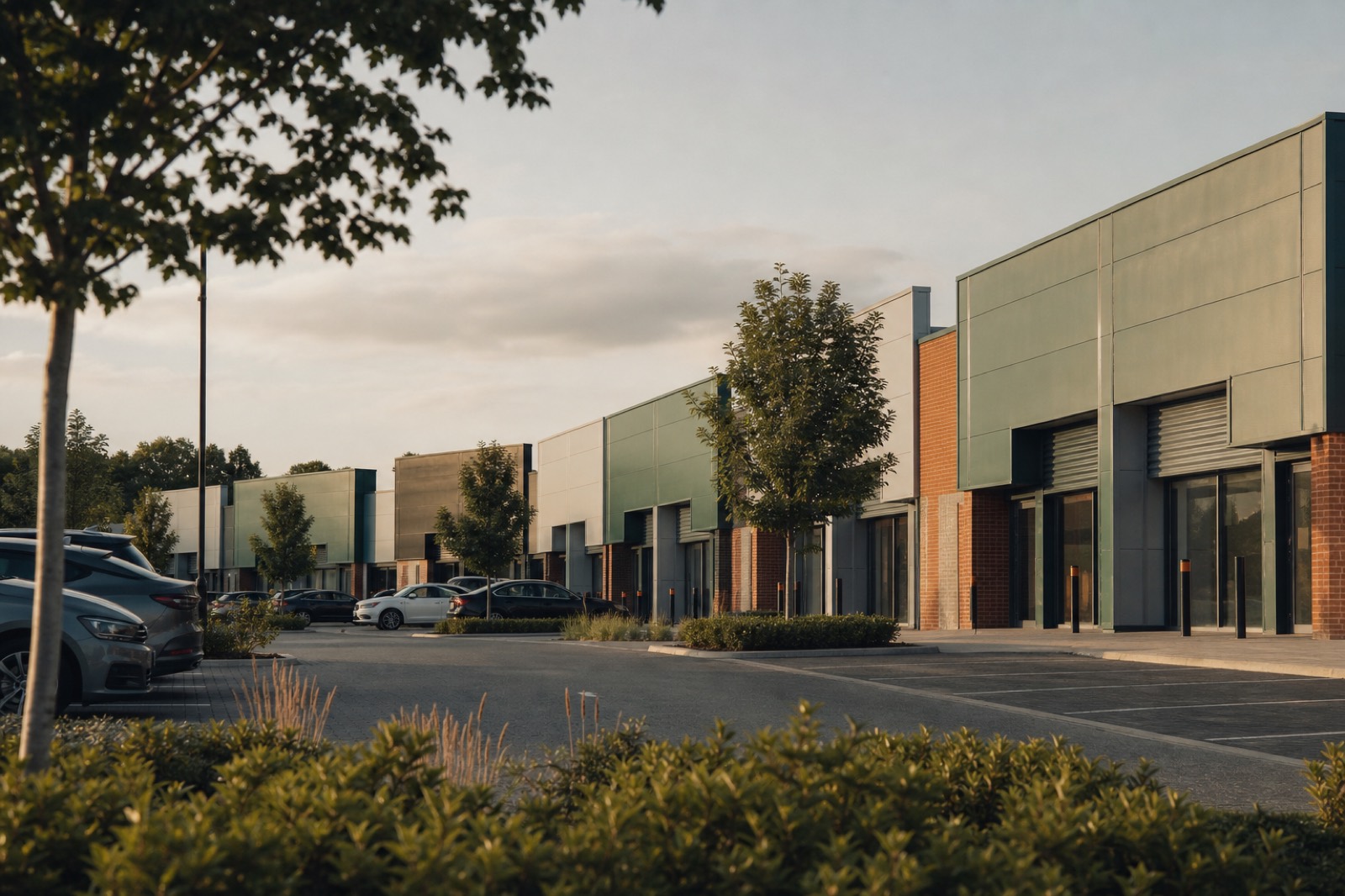
Retail development finance
Funding for retail parks, roadside and convenience-led retail schemes.

Funding retail development
Retail development has narrowed to the formats that work. Retail warehousing and retail parks, roadside and drive-through units, supermarkets and convenience-led schemes continue to attract occupiers and investors, because they suit click-and-collect, bulky-goods and everyday-needs shopping. Lenders fund these formats readily where the covenant and location are strong, while discretionary in-town retail without a clear demand story is harder to place.
We arrange finance for retail parks, roadside and drive-through schemes, foodstore developments and the retail element of mixed-use projects. A pre-let to a strong retail covenant is the foundation of most fundable retail schemes, giving lenders the income certainty they need to lend against the completed value.
Scheme types we fund
- Retail parks and retail warehousing
- Roadside and drive-through units
- Supermarket and foodstore schemes
- Convenience and neighbourhood retail
Indicative terms
- Loan to costUp to 60 to 65% senior
- Loan to GDVUp to 55 to 60%
- Key testsCovenant, format, location, pre-lets
- BoostPre-let to a strong retail covenant
Indicative only. Terms vary by lender, scheme and borrower and are not an offer of finance.
How we fund a retail scheme
Retail development is funded on senior debt against cost and the income-backed completed value, with leverage driven almost entirely by the strength of the pre-let. A scheme let to a strong foodstore, retail-park or roadside covenant supports competitive leverage because the income is contracted. Without a pre-let, lenders are cautious and leverage falls, so the letting strategy is the centre of any retail funding conversation.
Lender appetite for retail
Appetite is format-driven. Banks and debt funds back retail parks, roadside, drive-through and foodstore schemes with strong occupier covenants, where the income is defensible. Appetite for discretionary in-town and shopping-centre retail is thin without a clear demand story. A pre-let to a recognised covenant is what opens a competitive field of lenders.
The exit
The exit is an investment sale of the let scheme to an income investor, or a refinance onto investment debt. Well-let retail-park, roadside and foodstore assets attract steady investor demand. Development exit finance can bridge any letting gap between completion and a stabilised sale.
Finance structures that suit this sector
- Senior development financeCore facility, leverage driven by pre-lets.
- Stretch senior financeHigher leverage where covenants are strong.
- Mezzanine financeBridges the gap on larger pre-let schemes.
Fund a retail scheme
A view on fundability within one working day.
What drives retail scheme economics
Retail value is income-led and almost entirely a function of the occupier covenant: a scheme let to a strong foodstore, retail-park or roadside tenant capitalises at a keen yield, while uncontracted space is heavily discounted. Lenders model GDV from contracted rent and treat the strength and length of the pre-let as the centre of the appraisal.
Indicative retail finance rates and leverage
Senior development finance for retail is typically sized to 60 to 65 percent of cost and 55 to 60 percent of the income-backed value, with leverage driven by the pre-let. A strong covenant on a long lease unlocks the keenest terms; without a pre-let, lenders are cautious and advance less.
Frequently asked questions
What retail formats are fundable today?
Retail parks and warehousing, roadside and drive-through units, supermarkets and convenience-led schemes, where a strong occupier covenant and good location give lenders income certainty. Discretionary in-town retail is harder without a clear demand story.
Do I need pre-lets for a retail scheme?
For most retail development, yes. A pre-let to a strong covenant provides the income certainty lenders need, and it is usually the deciding factor in whether a scheme is fundable and on what terms.
Is roadside retail easier to fund than the high street?
Generally, yes. Roadside, drive-through and convenience formats suit current shopping patterns and attract strong occupier covenants, so lenders view them more favourably than discretionary high-street or shopping-centre retail.
How much can I borrow against a retail development?
Senior debt typically funds 60 to 65 percent of cost, capped around 55 to 60 percent of the income-backed value, with leverage rising where strong pre-let covenants underpin the income.
Funding a retail scheme?
Tell us about your development and we will come back with a view on fundability and likely terms.